Michigan Plant Hardiness | West Michigan Guides
Plant hardiness zones were developed to provide a simple guide to help gardeners to determine what plant will grow where.
Plant hardiness zones are based on temperature. In the USA Zones are rated from 1-11 with Zone 1 being the coldest and Zone 11 being the warmest.
Zones are able to tell you what plants will thrive in your location.
It’s all about the temperature maximum and minimum that a plant can survive in.
Zones are a great indication, however, local variations, special positions, and even gardening methods can allow you to ‘cheat the zone’.
The map above, and much more helpful information can be found by visiting the USDA Plant Hardiness Website.
The USDA Plant Hardiness Zone Map is the standard by which gardeners and growers can determine which perennial plants are most likely to thrive at a location. The map is based on the average annual extreme minimum winter temperature, displayed as 10-degree F zones and 5-degree F half zones. A broadband internet connection is recommended for the interactive GIS-based map above.
To find the Plant Hardiness Zone at your location quickly, enter your zip code in the Quick Zip Code Search box in the map above, or click anywhere on the map to view the corresponding interactive map.

Every year, the Mason-Lake Conservation District offers sales for tree seedlings and for native plants. Take advantage of this great service!

Screens are fairly simple and inexpensive to fix. With the right materials, you can fix a screen in less than an hour for about $20 or less.

Removing ice and snow from your roof can prevent damage later. Here are tips on how to keep your roof clear.
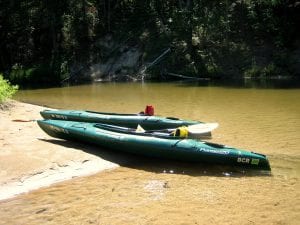
Pere Marquette River, with it’s moderately fast current and clear water, is an extremely popular river for canoeists and kayakers.
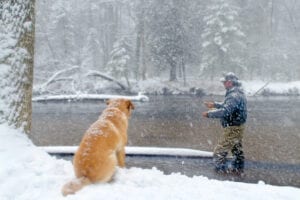
The spring/fall runs of steelhead and salmon, the resident brown trout and “brookies” make the PM River extremely popular for fishing.

If your family produces a large amount of kitchen scraps, why not compost and use them as a natural fertilizer for your garden?